


Why Walkable Cities Matter: Reflecting on My Trip to San Francisco

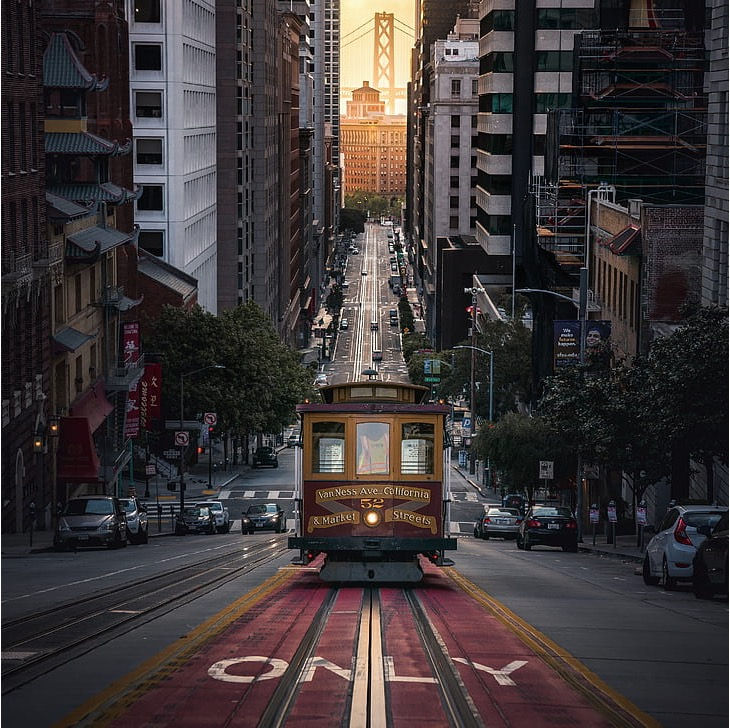
During my trip to San Francisco with the National Millennial and Gen Z Community (NMGZ), I was reminded of how much I value an activity many take for granted: walking. Not long ago, I’ve developed a passion for walkable cities, where everything is accessible on foot or public transportation. My firsthand experience in a college town made me realize just how walkable cities foster connections and enhance quality of life. Studying abroad while in Vienna only deepened my appreciation for this, and San Francisco reminded me how we can continue this lifestyle in America.
Throughout my time in college, everything I needed was within a short walking distance, such as my dorm, coffee shops, classrooms, the gym, and more. Exploring on foot was a more positive experience than driving my car, where I was often limited by traffic congestion, insurance costs, and gas prices. The free public bus system made it even more convenient. College is often a nostalgic experience as it’s one of the few affordable pedestrian pedestrian-friendly communities we’ll live in. Walkable cities with extensive public transit, such as New York and San Francisco, have become too expensive to live I,n with not enough housing being built to accommodate demand.
My time in Vienna reinforced the significance of walkability. Staying near cafes, supermarkets, and recreational spots, I had easy access to the Vienna U-Bahn, which connected me to the entire city. The extensive public transit network, including buses, trams, and high-speed trains, encouraged me to spend more time outside. Cities like these are designed for people, not cars, and their vibrant street life and properly funded infrastructure enhanced my mental health and sense of community.
In San Francisco, I once again experienced the joy of walking through iconic neighborhoods like North Beach and Chinatown. The city’s transit system, including BART trains and historic streetcars, made getting around convenient and welcoming. Yet I noticed a stark difference between how American cities treat walkability compared to their European cities. Cities like New York and San Francisco often struggle with homelessness and unreliable public transit, which deters people from embracing city life. In contrast, European cities are praised for their cleanliness, safety, and efficiency.
Can walkable cities make a comeback in the U.S.? Many cities were built before cars and once had thriving streets and transit systems. Unfortunately, the automobile craze has reshaped urban planning, replacing lively neighborhoods and streetcars with highways that never seem to solve traffic problems. Growing up in Florida, I’ve seen beautiful forests paved over for projects that fail to improve our streets, driving suburban sprawl and distancing us from local communities. As Gen Z comes of age, we’re seeking solutions to promote community, inclusivity, and sustainability, with more young people showing a preference for public transportation over car ownership. As we look to countries like Japan with its efficient bullet trains or the Dutch biking culture, I’m certain that we can learn from them and strive to create more walkable, human-oriented cities in the U.S.


Comments