


How My Dance Degree Prepared Me for a Career in PR

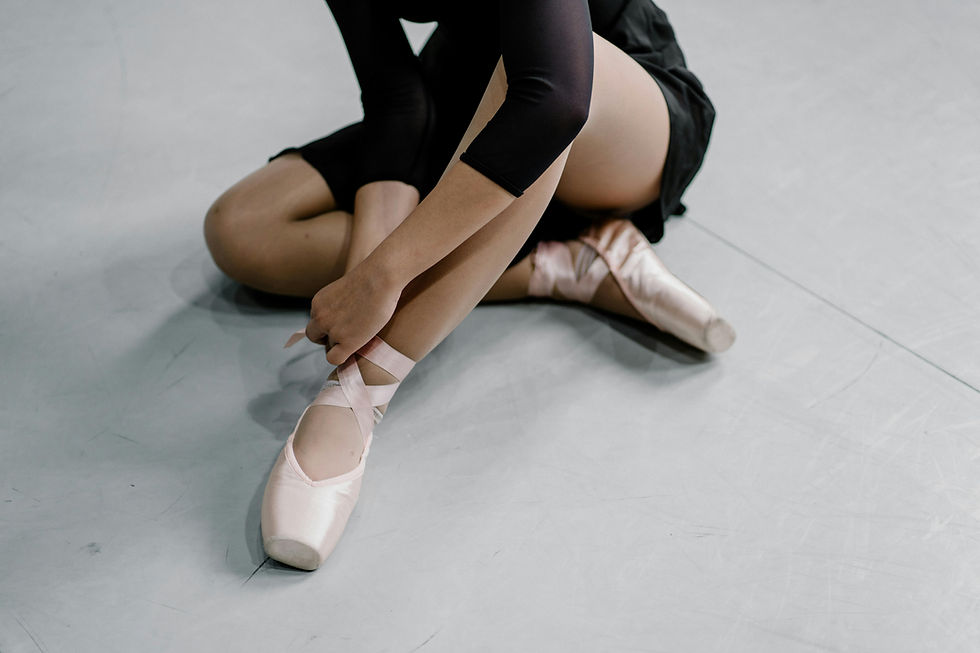
Degrees in Dance and Public Relations don’t often go hand-in-hand, but as a student of both, I discovered that these fields of study complement each other in surprisingly meaningful ways. Overall, my diverse education has equipped me with transferable skills that enhance my professional experience and distinguish me in the job market. Reflecting on my college experiences as a recent graduate, I’d like to share a few lessons I learned as a dance major that have enriched my capabilities as a PR professional.
Rejection is Redirection
Looking back on my years of experience with dance auditions, I’ve come to see them as a form of rejection-exposure therapy. There were semesters filled with a hundred forms of “no,” “maybe next time,” and “not today.” While it was hard not to dwell on the disappointment of not landing a role, learning to recover from rejection has been paramount to my continued success in competitive industries. As all job markets become increasingly competitive, we all must learn to handle rejection and move forward with resilience.
The phrase 'rejection is redirection' may seem overused, but it’s a vital mindset for achieving long-term success in industries where your personal brand fuels your growth. By separating your ego from the outcomes of interviews, evaluations, and critiques, you can rebound more quickly and stay confident in the unique value you offer. Remember, not every opportunity will be the right fit for you, and each door that closes creates the potential for an entirely new path.
Find Your Creative Process
From writing to designing to strategizing, a career in PR demands continuous brainstorming and creativity under quick deadlines and pressure. Without a structured approach to creativity, these demands can become overwhelming. It was in my dance composition courses that I first learned how to approach structured creativity and remedy the notorious ‘creative block.’ By considering actionable frameworks for creative thinking, I learned how to cultivate my own creative process and streamline my ideas to swiftly move projects from concept to completion.
To tap into your creative process, I recommend reading The Creative Habit by dancer and choreographer Twyla Tharp. Although written from a dancer’s perspective, Tharp’s message is clear: creativity is accessible to everyone. Her book provides a practical framework for developing creative habits that can benefit professionals in any field. As Tharp puts it, “Creativity is a habit, and the best creativity is a result of good work habits.” We can’t always be idea machines, but we can rely on ritual processes to reliably tap into our creative energy– whether it's a playlist that sparks inspiration or a workspace that energizes the mind. At the heart of sustained creativity is hard work and consistency. It all comes down to committing to your ideas and putting in the effort regularly.
Perform with Authenticity
Authenticity is the hallmark of a successful performer. My years of dancing have shown me that the most captivating dancers aren’t necessarily those with the most technical prowess, but those who bring genuine emotion and humanity to their performance. Presence, vulnerability, and honesty are all essential traits that build a meaningful relationship with the audience. This focus on authentic relationship building also translates nicely into the professional world, where networking is a driving force.
Authenticity is often overlooked, but it’s a key factor in forming lasting and meaningful professional connections. As you engage in networking opportunities, lead with authenticity and a genuine desire to connect to yield the most rewarding relationships. If you lack passion for your work or approach relationships with hidden agendas, that insincerity will eventually surface. The saying ‘your network is your net worth’ holds true, so invest in your social capital by building relationships grounded in real passion, curiosity, and interest.


Berlin im Frühling klingt verlockend, aber bei wechselhaftem Wetter braucht man auch eine Indoor-Pause. Nach einem langen Spaziergang durch den Tiergarten entspanne ich gern mit ein paar kurzen Worträtseln auf dlenow.com, bevor es zum Abendessen weitergeht. Das passt gut zu einem entspannten Städtetrip.
Interesting point about avoiding tracking while watching videos. If you ever want to create your own content without showing your face, a faceless video approach can work well, using AI scripts and narration. It keeps your privacy intact while still producing engaging 9:16 clips for social media.
mình có lần lướt đọc mấy trao đổi trên mạng شيخ روحاني thì thấy nhắc nên cũng tò mò mở ra xem thử cho biết. mình không tìm hiểu sâu chỉ xem qua trong thời gian ngắn để quan sát bố cục cách sắp xếp جلب الحبيب các mục và trình bày nội جلب الحبيب dung tổng thể. cảm giác là các phần được trình bày khá gọn, các hurentest berlin mục rõ ràng Huren Berlin nên đọc lướt cũng không bị rối với mình như vậy là đủ để nắm tin cơ bản rồi. جلب الحبيب
👍
This resonates—my theater background taught me improv, and now I use those skills daily. I recently turned a headshot into stickers and was glad the Sticker Background Remover handled the cleanup, so cropping and exporting a full sheet took minutes. Creative degrees really do train you for unexpected tools.
I really resonated with your point about establishing a structured creative process to handle the quick deadlines in PR. When designing visual and video campaigns, having efficient workflows is essential to avoiding creative burnout. To streamline the technical side of video editing, I highly recommend using AI tools to export alpha channels for transparent backgrounds. It takes the hassle out of post-production so you can focus on bringing those creative ideas to life quickly. Great read!